
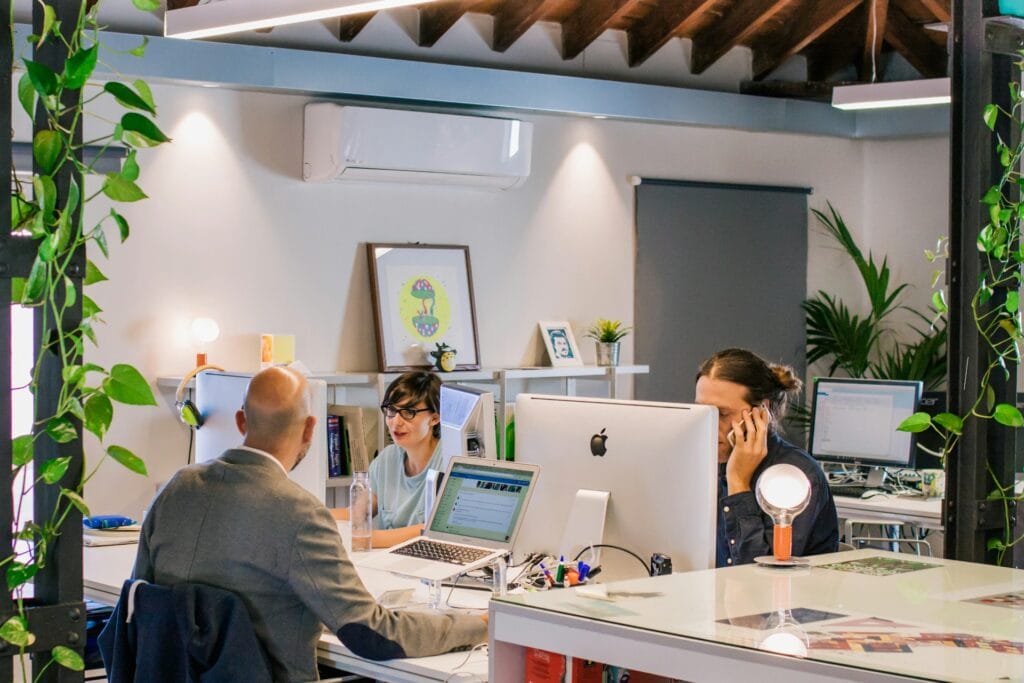
Creative work often needs more than just a laptop and decent Wi-Fi. Focus can come easily on some days, but it only takes a bit of noise, clutter, or bad lighting to throw things off. That’s where the setup starts to matter. Co working spaces are different from cafés and home desks because they’re set up to drop you into a rhythm without getting in your way.
We’ve found that when there’s the right balance of calm, freedom, and low-pressure structure, creative work comes more naturally. Whether it’s writing, planning, sketching ideas, or building out a concept, the best sessions often start with the feeling that the atmosphere isn’t pulling you in the wrong direction. Being around other people who are focused, without needing to talk or explain what you’re working on, can offer the kind of quiet structure many of us didn’t realise we needed.
Space That Encourages Flow Without Pressure
Not every working brain needs the same surroundings. Some people need to look out a window. Others want to be tucked into a quiet corner where no one walks past. Flexibility makes a difference. Co working spots that offer a mix, windows, soft seating, wall-side desks, help you figure out what works without committing to a setup that only suits someone else’s routine.
There’s also something supportive about the quiet sounds of shared spaces. A bit of coffee brewing, people typing, the low movement of people arriving and setting up, all of it forms a sort of calm background. It’s not silence, but it’s not loud either. That kind of ambient balance can give focus something to push off from.
What makes the experience easier for most people is that it doesn’t come with pressure. No one’s expecting you to chat, collaborate, or explain your work. If a smile and a nod are all you’ve got that day, that’s fine. You’re just sharing space, not expectations.
Light, Layout and the Feeling of Calm
This time of year still leans dark, so bright natural light can be hard to come by. That’s why lighting matters even more. Well-chosen lamps, open shades, and desk placement near windows can lift your mood without you needing to think about it. A warm glow across a table can be more helpful than any productivity tip.
Furniture matters too, and not just comfort-wise. Softer materials, neutral colours, and open layout designs can help you feel grounded. It’s hard to settle into creative work if the place feels too sharp, cold, or stuffed. Simpler rooms let your thoughts take up more of the space.
Something as small as being able to shift your seat, turn to face a window, or pull your chair a little closer to the wall can make tasks feel lighter. It’s these sorts of small freedoms, more than big features, that change how a space meets your thinking pace.
At our City of London, Blackheath, and Whitstable locations, we prioritise a mix of private studios and open-plan desks, so you can find the setup that best matches your work style each day. Many members find comfort and focus in quiet corners, hot desks, and access to natural light throughout our thoughtfully divided layouts.
Keeping Energy Going Through the Day
No one has perfect focus from morning to evening. Even when you love what you do, mental dips happen. That’s why the rhythm of the space around you matters. If mornings tend to feel more paced, you can lean into that for your deeper work. Later, when things quiet down again mid-afternoon, lighter work might feel easier.
Moving through your day in a co working setup can feel looser, but still steady. We’ve noticed how people find their flow by changing chairs after lunch or switching to a lounge spot for admin tasks. Being able to shift your energy without needing to leave the building really helps.
Having easy access to breaks helps stop burnout before it sneaks in. A walk around the block, a sit by the window, even just stepping into a different room for five minutes, all these things reset your pace without cutting the day short. Even when a task feels heavy, getting up and shifting your perspective, whether through movement or light change, can help you return to your work refreshed. These little resets build a sustainable rhythm across the week.
No One Watching, But Everyone Working
One underrated part of creative work is simply being around others who are also working. You don’t have to talk to them. You might not even know what they do. But their quiet focus brings a kind of weight to the space, a shared sense that this is a place for doing.
For people who struggle with staying on track alone, this subtle feeling of shared focus can be incredibly useful. It motivates without pushing. No one’s checking on you, but you still feel part of something a little larger than your own screen.
You don’t need to introduce yourself or make small talk. Most people don’t. Just being there, ready to work, is enough. You sit down, open your notebook or start typing, and something in you switches on. The room around you is silently saying, “this is what we do here.” It’s often these background signals that help you stay in the zone, especially on days when distractions at home might have pulled you away.
Some days you might bring headphones. Other days, you might leave them off, choosing to work with the gentle hum of activity around you. It’s this flexibility, joining the quiet focus without any performance, that often makes longer creative sessions more possible. The loose group energy supports both solo work and softer, more community-driven focus.
Creative Work Lasts Longer When the Space Works Too
Creative ideas rarely show up all at once. One good spark doesn’t take care of the long task of building it into something real. That takes time, space, mental breathing room. We’ve seen how steady surroundings tend to pair well with slower, more thoughtful work.
Part of that has to do with matching your surroundings to your pace. If you’re feeling foggy, a wide table and a blank page might be your start. If you’re running with an idea, switching to a quieter back section might give you the privacy you need to stay with it longer.
When your work starts to respond to where you are, when the space itself feels like it’s helping you stay in it, that’s when habits start to form. It becomes easier to trust the process because part of the “what now?” part is already taken care of.
A reliable work rhythm means you can return to a difficult idea after a break, find fresh perspective in a new seat, or pick up where you left off the day before. The right space reduces friction at each step, quietly keeping you anchored and ready to go again.
Simple moments, moving your notebook, finding a comfy chair, pausing near a window, can nudge a tired brain back toward focus. These aren’t huge changes, but over time, they build up. The environment becomes a partner in your process, supporting you instead of challenging your flow.
A Better Space Makes Creative Days More Doable
The way we work creatively isn’t just about brainpower. It’s also about how we feel in a space and whether our surroundings are helping or distracting us. A good co working space doesn’t tell you how to work, it just gives you more room to figure that out on your own terms.
When the physical layout matches your rhythm, and when you start to recognise those moments in your day that flow well, things shift. Creative work often isn’t smooth or simple. But when the space isn’t getting in the way, it becomes easier to stick with the hard parts and enjoy the calmer ones.
We don’t need perfection. We need steadiness, comfort, and the small, quiet cues that say we’re allowed to begin again, right here. Good spaces make that feel not just possible, but likely.
Design Your Creative Routine with Us
When your workspace inspires your ideas, it can make all the difference in your creative flow. We’ve seen how the right environment can boost your energy naturally. Many find renewed focus in well-balanced co working spaces that blend structure with flexibility. At The Workers’ League, we design spaces where your work can thrive and fresh ideas come at their own pace. Contact us to find the setup that suits your creative process.