
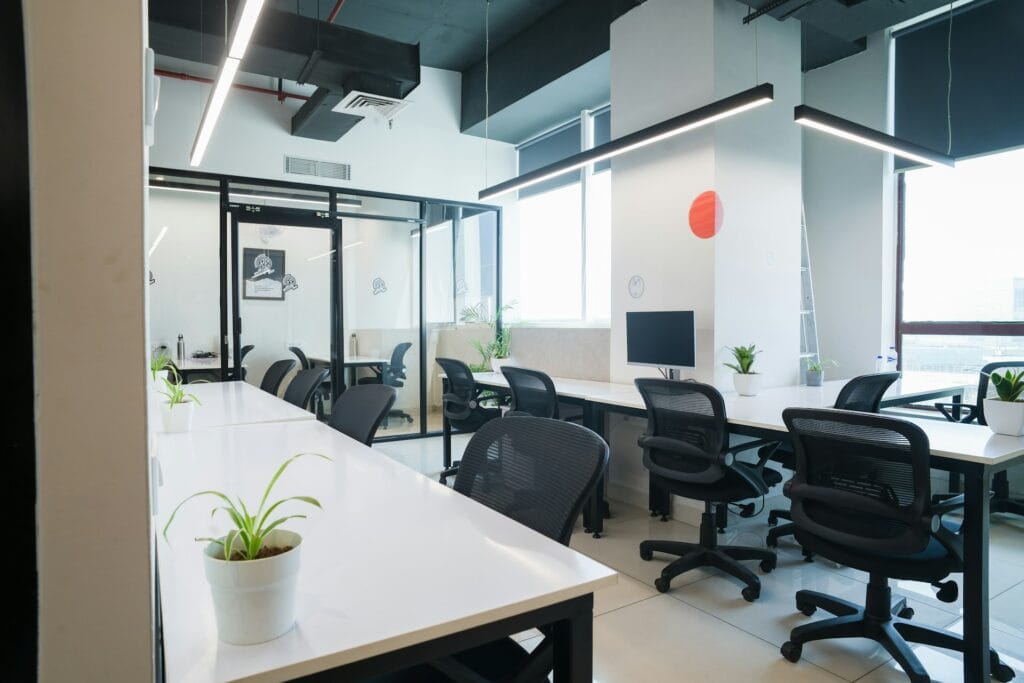
By the time late February rolls around, something subtle starts to shift. The dark mornings do not feel quite as heavy, and some of us begin arriving just a little earlier, hoping to catch those rare moments of stillness before the day picks up. Co-working spaces have their own quiet rhythm, especially at this time of year, when winter is not over but spring feels close enough to think about.
There is no one way to work, and these spaces reflect that. Some people are easing back into routine after long breaks or grey months indoors. Others are already full steam ahead, chasing deadlines or changing direction. Whatever the pace, co-working spaces naturally shift and stretch throughout the day to match the way people actually work, not just how they plan to.
Morning Ease: Starting the Day Gently
Early mornings here tend to feel calm. Some arrive just after eight with a coffee in hand and headphones ready, settling into their usual corner. Others move slower, greeting familiar faces or stretching out beside a window while waiting for the kettle to boil.
- Desk setups are quiet, with notebooks open and tabs loading.
- The hum of the heater is louder than conversation.
- Mugs of tea and first-check emails mark the pace.
This is not the loud time. It is when people plan, scan their calendars, or write in silence. The light is often soft and the noise minimal, helping people step into their day without too much friction.
Late Morning Focus: Picking Up the Pace
Between 10:00 and midday, the room starts to change. It is not dramatic, just a steady build of movement and energy. Now laptops are clicking faster, chairs shift more as conversations begin to form, and there is a bit more life in the air.
- Casual chats turn into working sessions.
- Shared tables fill up with team meetings and laptops side by side.
- The light from outside, even in February, starts to feel brighter.
Some people lean fully into their work at this time, head down and tuned in. Others are catching up with partners, bouncing ideas, or moving between rooms to find the right space for focus. The layout helps too, with open seating and natural light easing the midday climb.
At The Workers’ League, open-plan desks, private meeting rooms, and breakout spaces at our City of London and Blackheath clubs allow you to choose the best environment for your focus. Complimentary organic teas and bean-to-cup coffee are always available, helping members keep their routine smooth from morning through evening.
Midday Pause: Lunch and Light Shifts
Around noon, things start to loosen. Not everyone breaks at once, but there is a definite shift in tempo. Conversations soften, screens go dark momentarily, and chairs gather in small circles or angle toward the kitchen.
- Some people take solo breaks with a quick book or podcast.
- Others catch up over shared lunches or quiet chats.
- A few head out for a walk before the day picks up again.
It is not a full stop, more like a deep breath in the middle of work. Creative tasks often happen here, along with slower writing, sketching, or mapping out next steps. Nobody rushes, and nobody needs to. It is a pocket of gentle space.
Afternoon Rebuild: Finding New Momentum
There is usually a slump that lands after lunch, a sense of time thickening a little. People pace their focus differently now. Some put headphones back on and start fresh. Others switch where they sit or change their task altogether.
- Bigger jobs can feel harder here, so smaller ones take priority.
- Soft collaboration happens in hushed tones at corners of tables.
- Creative planning or visual tasks often sneak in during this part of the day.
We see people checking off half-done items or breaking larger projects into simpler tasks just to keep moving. The lighting shifts as well, and depending on the space, the mood starts to feel less like drive and more like flow.
Evening Fade: Transitioning Out Without Rush
From 5:00 onwards, things begin to fold gently. Not everybody leaves right away. Some pack up with a quick stretch and soft goodbye. Others open one more tab and keep working until the hall quiets fully.
- Light dims, lamps are turned on, and windows mirror the room inside.
- A few stay behind to attend talks, prep for tomorrow, or wrap up call notes.
- The room begins to breathe, less filled, less urgent.
The end of the day here does not demand anything. It gives people space to finish at their own speed. There is room to reflect or reset, with quieter corners available for those who want to stay a little longer before heading home.
Flow That Lasts: Why Natural Structure Works
What makes co-working spaces feel steady is that they shift without needing to be managed. February can mean tired mornings, slow starts, and quick changes in energy. But when the layout, the people, and the pace feel natural, everything lines up more easily.
- No single rhythm is forced, so different working styles can thrive.
- Space is shaped by habit and light, not rules or forced structure.
With day passes, part-time memberships, and full access options, The Workers’ League lets members work the hours and style that suit their needs best. Clean, uncluttered spaces at each club adapt to changing routines throughout the season, so you can always settle in, focus, and finish at your own pace.
Find Your Daily Flow With Us
The comfort builds quietly over time. After a few weeks, people tend to find their own routine inside the shared one. That slow familiarity does not need a sign or signal. It just works, especially on the sorts of days when focus comes and goes, and we do not want to fight it.
At The Workers’ League, we know that finding the right pace during your working day can make a world of difference. Whether you enjoy a quiet corner in the morning or prefer shared tables as the day goes on, our spaces adapt to your needs. For those who want more control over where and how they work, our flexible co-working spaces offer a variety of options to suit different routines. Let’s have a conversation about how this could work for you.