
As early spring settles in, many of us find ourselves stepping back into planning mode. Long days are slowly returning, energy levels shift, and the way we work starts to change. Choosing the right type of workspace matters, especially when switching between focused meetings and more open, creative chats.
That’s where understanding the difference between conference meeting rooms and breakout areas becomes helpful. One setting offers structure and privacy, the other leans into lightness and flexibility. Knowing when to use each one can make work feel smoother, especially during this time of transition between winter and spring. Days may still be cool, but there’s a hint of movement and a need to reset how our teams connect.
Choosing the Right Space for Structured Meetings
There are times when a bit of formality helps get things done. We’ve all had those deeper planning sessions or detailed client meetings where background noise or distractions just won’t work.
Conference meeting rooms really fit this need with a few clear benefits:
- They offer the kind of sealed-off space where focus can stay on-topic.
- Calls with external clients are easier when there’s privacy and not someone else’s brainstorm session around the corner.
- Long strategy meetings benefit from tools like large screens or whiteboards that aren’t easy to grab on the go.
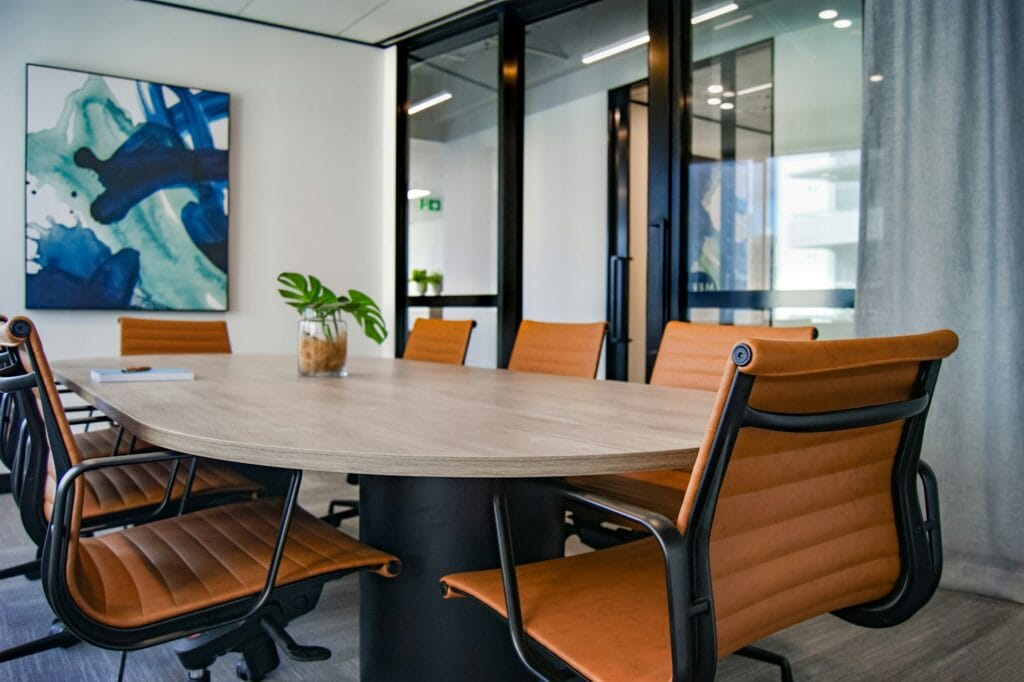
The clearer design of these spaces, doors that close, seating around central tables, signals that the work happening here needs attention. It’s less about chatting over ideas and more about making decisions, setting direction, or checking in on bigger projects. When structure and privacy are at the front of the task, these rooms are a natural choice.
At The Workers’ League, members have access to fully equipped conference meeting rooms both in the City of London and Blackheath, with bookable video conferencing, whiteboards, and room for up to twelve people. Complimentary organic tea, bean coffee, and filtered water are always on hand to keep sessions running smoothly.
Letting Ideas Breathe in Breakout Areas
Not everything needs a table and a door. Some of the best thinking comes from softer space, where ideas float for a bit before finding shape. That’s what breakout areas invite, comfort without stiffness.
These areas are helpful when:
- You’re in the early stages of planning and just need a casual spot to speak out loud.
- Conversations are happening in pairs or small groups, especially when decisions can wait.
- You’re testing ideas, sketching, or shifting between tasks with open-ended goals.
Around early spring, many start lifting out of winter ruts. Light changes, people open up, and creativity feels easier with room to move. A chair by the window or a shared spot near the café can turn into a cluster of people sketching ideas on scrap paper or mapping out rough steps. It’s not always immediate or clear-cut, but breakout areas give that kind of soft space permission.
Matching Group Dynamics to Space Type
The space we choose often depends on who we’re working with. Big teams moving through tight agendas might lean on formality. Teams in the early stages of bonding or working loosely might need more space to settle.
Think about how these group types handle different locations:
- A newly formed group might prefer a round table in a bright area so they can read each other’s energy.
- A familiar team might dive back into the same meeting room they used last month, knowing what works.
- Individuals or small duos may move between zones as their task shifts.
Plenty of teams find that a single workspace isn’t enough. You might meet in a formal room in the morning, break into pairs at lunch across more relaxed seating, and then return with a group idea to share. A full day of working together is often a mix of different spaces depending on what’s needed. Flexibility doesn’t mean chaos, it simply allows room for real work over routine.
Open-plan breakout areas at The Workers’ League clubs are furnished with comfortable seating, plenty of natural light, and quick access to kitchen facilities. Teams love being able to move from a private session into a softer brainstorming spot or catch-up area within the same club.
Time of Day and Mental Energy
We all move through energy cycles during the day. Some of us wake early, run strong before noon, or find that sharp focus returns again after lunch. Others peak late or after a short walk.
The pattern shifts, but here’s how different spaces help match that natural flow:
- Use breakout areas mid-afternoon to stretch, reset, and soften the noise.
- Save conference meeting rooms for early-morning plans or end-of-day reviews where structure is helpful.
- Build in natural transitions between spaces to keep energy fresh and shared.
Lighting also changes across the day. Morning light through wide windows can spark clear-headed planning. By mid-day, the activity may pull you into a quieter nook. Late in the afternoon, soft lighting inside a meeting room can help you end the day with focus.
Matching space to mood gives your brain and body a friendlier way to work through the usual ups and downs.
Adapting to the Season and the Work
Early spring can stir a mix of tired and ready. We’re coming out of darker months, but new routines may still feel slow to stick. Being patient with your workspace choices makes a difference.
Instead of fighting the season, we find small ways to adjust:
- Break up longer meetings with short moves between rooms.
- Hold planning chats in brighter areas to make space for clearer thinking.
- Use casual corners for check-ins rather than defaulting to a closed-off room.
We don’t have to plan every minute or stick to one room all morning. What matters is reading the room, the team, and the season. The right space can quietly support good work without needing to announce itself.
Spaces That Support Every Step
The best workspace is the one that fits how you feel and what you need to get done. Some days are for planning, others are for stumbling toward ideas. Knowing the difference between conference meeting rooms and breakout areas gives you the tools to shift rather than push.
Comfort, focus, and flow aren’t things we force. They come from choosing spaces that feel right at the right time. Spring is a good season for noticing those shifts and letting our surroundings support how we want the day to move.
Ready to transform your workspace and discover a setting that adapts to both focused sessions and creative ideas? At The Workers’ League, we understand that small changes in your environment can make all the difference to your productivity throughout the day or across busy seasons. Whether you’re scheduling an early briefing or planning a longer strategy session, our conference meeting rooms provide the perfect blend of structure and flexibility. Contact us to discuss which spaces will best fit your unique working style.